
New York - The American Revolution Part 3
 Wendy Elkis Class of 1977
In 1775, Parliament passed the Restraining Act. This Act allowed New England to trade with England but cut off trade between them and other countries. This act made New England dependent upon British goods. An addition to this Act was forbidding colonists from fishing in the Atlantic. None of this sat well with the colonists. The rising tensions from the Restraining Act led to the Battle of Lexington and Concord.
In April 1775, News of Lexington & Concord spread throughout the colonies. Once news of Lexington and Concord reached New York, it sparked action among patriots. NY's Sons of Liberty overthrew the colonial government, forcing the Governor to flee to a ship in the harbor and the Lieutenant Governor to flee to Long Island.
Thomas Gage and Lexington and Concord
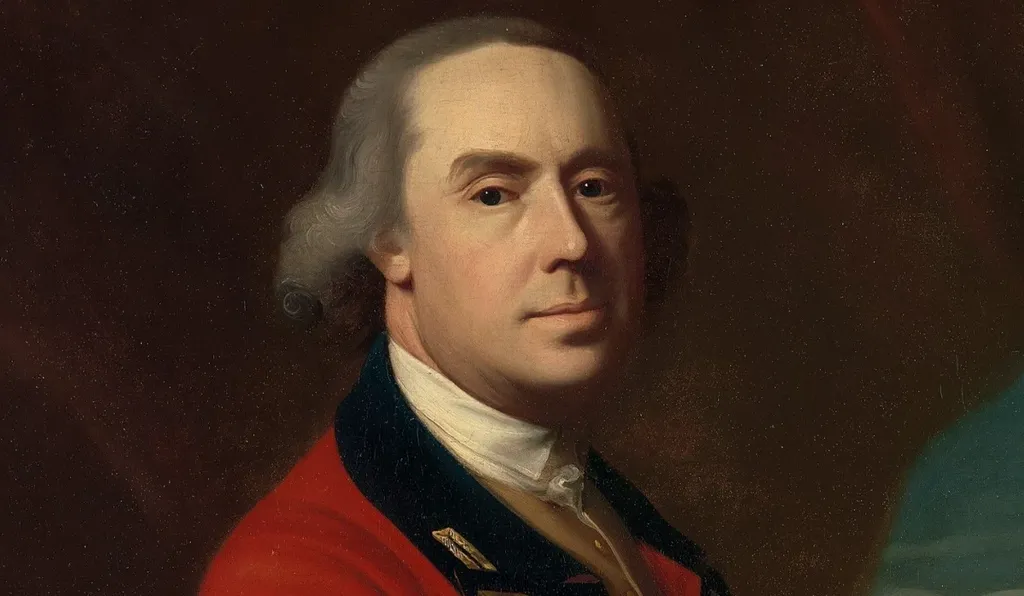 Thomas Gage General Great Britain Thomas Gage became the Commander-in-Chief of North America, a temporary position, in 1763. Gage was responsible for the increase of British troops in New York and Boston. This eventually led to the Boston Massacre, although at the time of the massacre, Gage was back in England. When he returned to North America in 1774, he was made the Governor of Massachusetts. In April of 1775, Gage was given the order to attack the town of Concord and not only retrieve the stockpile of armaments there, but also to take Samuel Adams and John Hancock into custody. Fortunately, they were forewarned and were able to escape.
On April 19th of 1775, in the towns of Lexington and Concord, American and British troops fired on each other. 700 British soldiers were sent to suppress the rebellious colonists. That was the night that Paul Revere made his famous ride. In the end, 49 colonists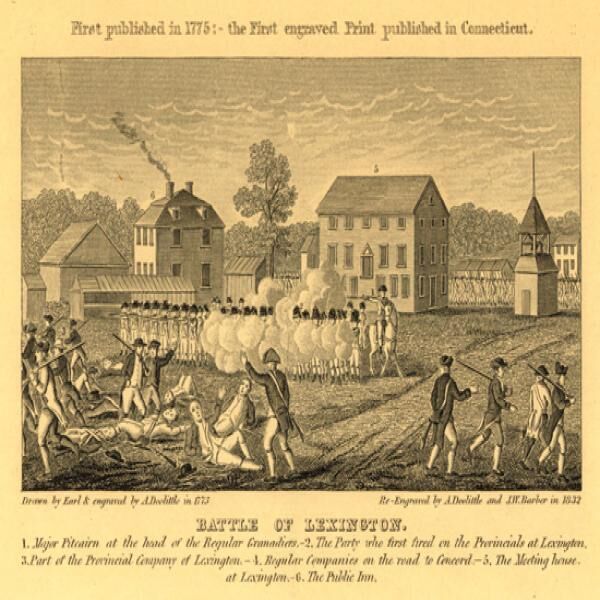 Lexington and Concord were killed and 39 wounded. There were 73 British killed and 174 wounded. Those opening shots at the battles of Lexington and Concord have come to be known as the “Shot Heard 'Round the World”. Those shots began the war for independence that lasted 8 years. Ready to join in the uprising, the Sons of Liberty in New York overthrew New York’s Colonial Government.
New York's Governor
Governor Tryon was made the Royal Governor of New York in 1771. Tryon came from North Carolina, where he used harsh methods to quash the 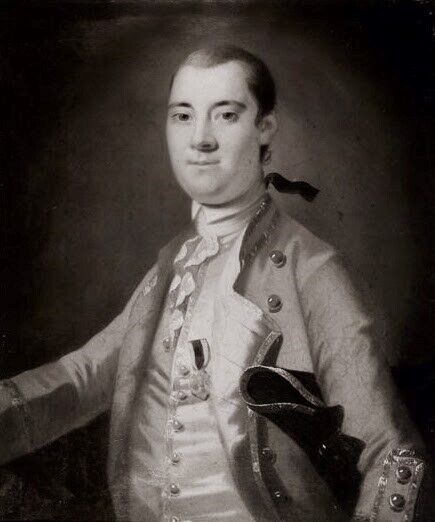 Gov. William TryonRegulator movement, a group of men looking for redress of their grievances. When those grievances went unresolved, they began withholding taxes, reclaiming confiscated property, and disrupting the courts. Tryon called upon the militia to suppress them. This led to the Battle of Alamance, May 16, 1771. Tryon was moved to New York shortly after that battle.
After being moved to New York, Tryon was facing the same issues. He was facing a growing anger amongst the colonists, especially the Sons of Liberty. The Sons of Liberty was a Patriot group that, by 1775, moved from protest to armed defiance. They intimidated Loyalists, seized British arms, and stopped the importation of British goods. They also provided logistical support for the Continental Army. Due to this environment, Tryon returned to England in 1774 to retreat from the anger of the Sons of Liberty. He returned to New York in October of 1775, where he was forced out of New York and sought protection aboard a British ship.
The Lieutenant Governor Cadwallader Colden of New York had his home in Orange County, near Newburgh. He was born in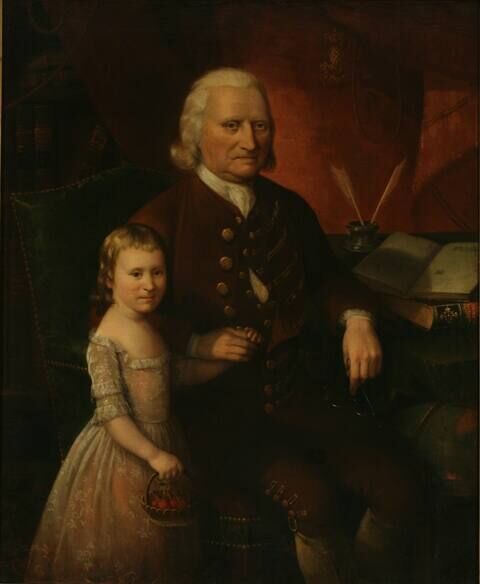 Cadwallader Colden Scottland in 1688 and immigrated to the Colonies at 29. He studied medicine and was friends with Benjamin Franklin. He was adopted by the Mohawk nation and admired the ways of the indigenous people. He became New York’s Lieutenant Governor and sided with the crown. Once news of Lexington and Concord reached New York, and with the rising of the Sons of Liberty, Cadwallader Colden retreated to Long Island. Rioters in New York burned him in effigy, and his prized coach was set on fire. He passed away that same year at the age of 88.
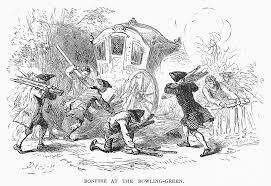 Cadwallader Colden's Carriage Attacked
Check out our April Newsletter for Part 4 - 1775-1776: New York City, a vital port, saw its population dwindle as Loyalists fled, fearing Patriot rule and the looming conflict.
Resources
The Restraining Act
https://www.history.com/this-day-in-history/march-30/king-george-endorses-new-england-restraining-act
Lexington and Concord
https://historynet.com/lexington-and-concord-the-night-a-nation-was-born/
https://www.battlefields.org/learn/primary-sources/describing-events-took-place-lexington-and-concord
https://wams.nyhistory.org/colonies-and-revolution/the-american-revolution/fear-and-danger-in-ny/
William Tryon
https://www.battlefields.org/learn/articles/governor-william-tryon#:
Cadwallader Colden
https://hvmag.com/life-style/cadwallader-colden/
https://www.battlefields.org/learn/biographies/thomas-gage
https://www.battlefields.org/learn/battles/alamance
Sons of Liberty
https://www.battlefields.org/learn/primary-sources/association-sons-liberty-new-york
https://www.newyorkalmanack.com/2025/08/1775-new-york-city-british-arms/#:
Illustrations:
Carriage: https://share.google/BNIinE20Ux9GEjudn
Sons of Liberty Paper: https://www.battlefields.org/learn/primary-sources/association-sons-liberty-new-york
Thomas Gage: https://www.americanhistorycentral.com/entries/thomas-gage/
William Tryon: https://www.nps.gov/people/william-tryon.htm
Cadwallader Colden: https://oll.libertyfund.org/people/cadwallader-colden
Lexington and Concord: https://share.google/gt5jrIVvWkObuk7BO
Sons of Liberty: https://tinyurl.com/mr3snrr4